


June 8, 2026
Understanding the psychology of gambling Unveiling the mind behind the bets
Understanding the psychology of gambling Unveiling the mind behind the bets
The Allure of Gambling: Why People Play
The psychology of gambling is deeply rooted in human behavior, influenced by a variety of factors. One major allure is the potential for substantial financial gain. Many individuals are drawn to the idea of winning big with a small investment, which fuels excitement and encourages repeated participation. This concept is reinforced by the success stories often highlighted in media, showcasing the rare few who strike it rich. For those looking to explore various gaming options, https://cold-bet.games/ offers a unique platform that brings together thrill and potential rewards.

In addition to financial incentives, gambling offers a form of escapism. It allows individuals to temporarily disconnect from their daily routines and responsibilities, immersing themselves in a world of chance and thrill. The rush of placing a bet and the adrenaline associated with waiting for outcomes can create a euphoric experience, leading players to return for more. This psychological element taps into the human desire for excitement and novelty, making gambling an enticing option.
Another significant factor is social influence. Many people engage in gambling as part of social gatherings or family traditions, where the activity is viewed as a form of entertainment. This communal aspect can diminish personal apprehensions about gambling, reinforcing the belief that it is a normal and enjoyable activity. When individuals witness their peers experiencing wins or enjoying themselves, it further normalizes the behavior, making it more appealing and harder to resist.
The risk-reward dynamic is a fundamental component of gambling psychology. Players constantly assess their odds and potential gains, often overestimating their chances of winning. This cognitive bias, known as the optimism bias, leads many to believe that they possess a better skill set or luck than they actually do. By misjudging probabilities, gamblers may increase their wagers, driven by the hope of a lucrative outcome that frequently remains elusive. Understanding odds and probabilities can help manage this expectation better.
This misunderstanding of odds is exacerbated by the design of games. Many casino games are built to create an illusion of control, where players feel that their actions can influence the outcome. This illusion allows gamblers to rationalize their choices, often leading to the erroneous belief that they have a winning strategy. Such feelings of empowerment can lead to extended playtime, despite the reality that most games are based on chance and luck.
Additionally, the idea of variable rewards plays a significant role in gambling behavior. In games of chance, outcomes are often unpredictable, causing players to experience intermittent reinforcement. This unpredictable nature can trigger cravings, similar to substance addiction, where the anticipation of winning creates emotional highs and lows. Consequently, players may chase losses, convinced that a big win is just around the corner, despite mounting evidence to the contrary.
Compulsive gambling, or gambling addiction, occurs when the urge to gamble becomes uncontrollable. This psychological disorder often stems from a combination of genetic, environmental, and emotional factors. Individuals may turn to gambling as a coping mechanism for stress, anxiety, or depression, seeking solace in the thrill of the game. However, the temporary relief it provides can lead to destructive behavior, causing significant harm to their finances and personal relationships.
One crucial aspect of compulsive gambling is the cycle of denial. Many individuals who struggle with this addiction downplay their gambling habits, often convincing themselves that they can stop whenever they want. This denial can prevent them from seeking help and acknowledging the severity of their situation. As a result, they may continue to gamble, resulting in deeper financial troubles and emotional distress.
Addressing compulsive gambling requires a multifaceted approach, including therapy, support groups, and financial counseling. Cognitive-behavioral therapy has proven effective in helping individuals change their thought patterns related to gambling. By addressing underlying issues and providing coping strategies, many can break free from the cycle of addiction and regain control over their lives.
The neuroscience of gambling is a fascinating field that examines how brain activity influences decision-making. Studies using brain imaging have shown that gambling activates the brain’s reward system, releasing dopamine—a neurotransmitter associated with pleasure and reinforcement. This chemical response can lead to feelings of exhilaration, encouraging players to chase the high by placing additional bets.
Moreover, the brain’s prefrontal cortex, responsible for rational decision-making and impulse control, often becomes less active during gambling. This can impair judgment, leading individuals to make impulsive choices that they would typically avoid in other contexts. The interplay between reward anticipation and diminished self-control creates a perfect storm for risky betting behavior.
Additionally, the concept of “loss aversion” plays a critical role in gambling psychology. Research indicates that losses tend to have a more substantial emotional impact than equivalent gains. This aversion can drive players to gamble more in an attempt to recover lost funds, often leading them deeper into financial trouble. Understanding these neural mechanisms is essential for developing strategies to mitigate problematic gambling behaviors.
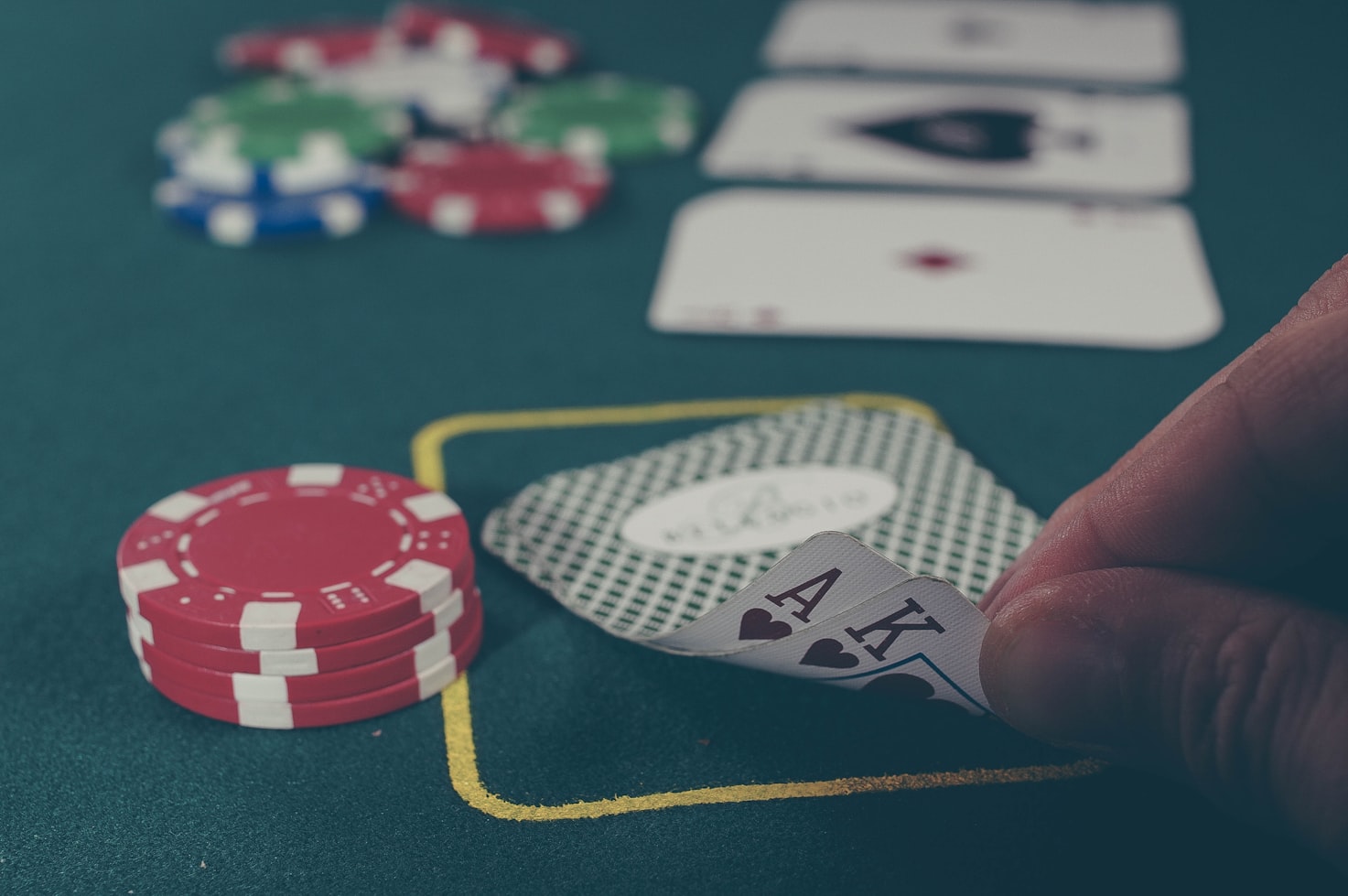
Exploring Coldbet: A New Era in Online Gambling
Cold Bet Online represents a modern platform for those interested in experiencing the thrill of gambling in a safe and engaging environment. With a generous welcome bonus and a diverse range of gaming options, Cold Bet provides a user-friendly interface that allows players to explore various games, from slots to live dealer experiences. The site aims to offer not just entertainment, but also an understanding of the dynamics of gambling.
Cold Bet prioritizes responsible gambling, emphasizing the importance of understanding odds and probabilities in games. Their commitment to educating players helps create a more informed gambling environment, potentially reducing the risks associated with impulsive betting. Additionally, the platform promotes regular self-assessment and provides resources for those who may need assistance in managing their gambling habits.
Ultimately, Cold Bet Online seeks to revolutionize the online gambling experience, merging excitement with a focus on player well-being. With engaging graphics and seamless gameplay, the platform allows individuals to enjoy their favorite games while fostering a deeper understanding of gambling psychology and behavior. It’s an invitation to dive into a world where knowledge meets entertainment, providing players with both excitement and insight.

Mladen Tennis
Leave a Reply